
November 2026
Some of the most memorable moments I have witnessed in the courtroom— whether in trial or observation—have involved judges who understood a fundamental truth: simplicity carries authority.
Over five decades in courtrooms, I have found that the most effective jurists share a common trait. Their approach is direct, their language is plain, and their rulings are unequivocal. This does not guarantee they are right more often than others. It does, however, give them something just as important in the moment—credibility and control of the courtroom.
Years ago—well beyond any applicable statute of limitations—I took on what I will generously describe as a short, misguided case involving the IRS. The matter arose in a jurisdiction better known for its ski slopes than for its jurisprudence. The courthouse was old, the HVAC system unreliable, and the day followed a familiar pattern: biting cold in the morning, giving way to an uncomfortably warm afternoon as the sun bore down.
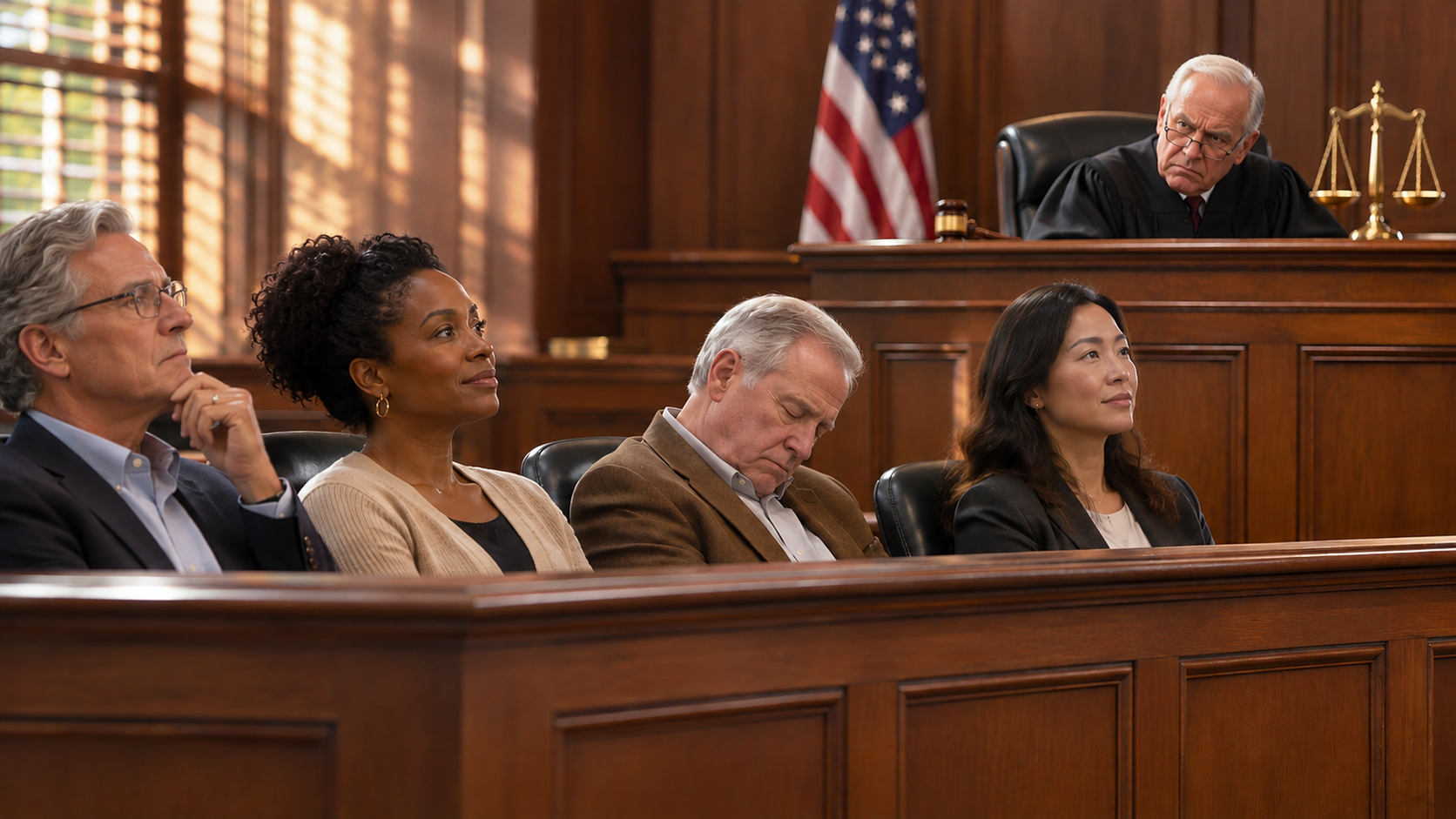
The opposing counsel spoke at length—far longer than necessary. The subject matter did not justify the effort. The courtroom grew warm. Attention waned. One juror, seated among the twelve, began with the familiar nodding of fatigue and soon progressed to a quiet but unmistakable snore.
Every trial lawyer knows the significance of that moment. A sleeping juror is not a trivial inconvenience; it is grounds for serious concern and, in some cases, a mistrial. When opposing counsel finally recognized the situation, he turned to the court. What followed is worth preserving:
– Opponent: Judge, a juror is asleep.
– Judge: You put him to sleep. You wake him up.
The Rules Worth Remembering
– Be direct.
– Use plain, simple language.
– Act decisively and without equivocation.